
NorthMet project to require Supplemental EIS
REGIONAL— NewRange Copper Nickel must complete a Supplemental Environmental Impact Statement, or SEIS, before it can begin the permitting process for its proposed NorthMet mine near Hoyt Lakes. The …
This item is available in full to subscribers.
Attention subscribers
To continue reading, you will need to either log in to your subscriber account, below, or purchase a new subscription.
Please log in to continue |
NorthMet project to require Supplemental EIS
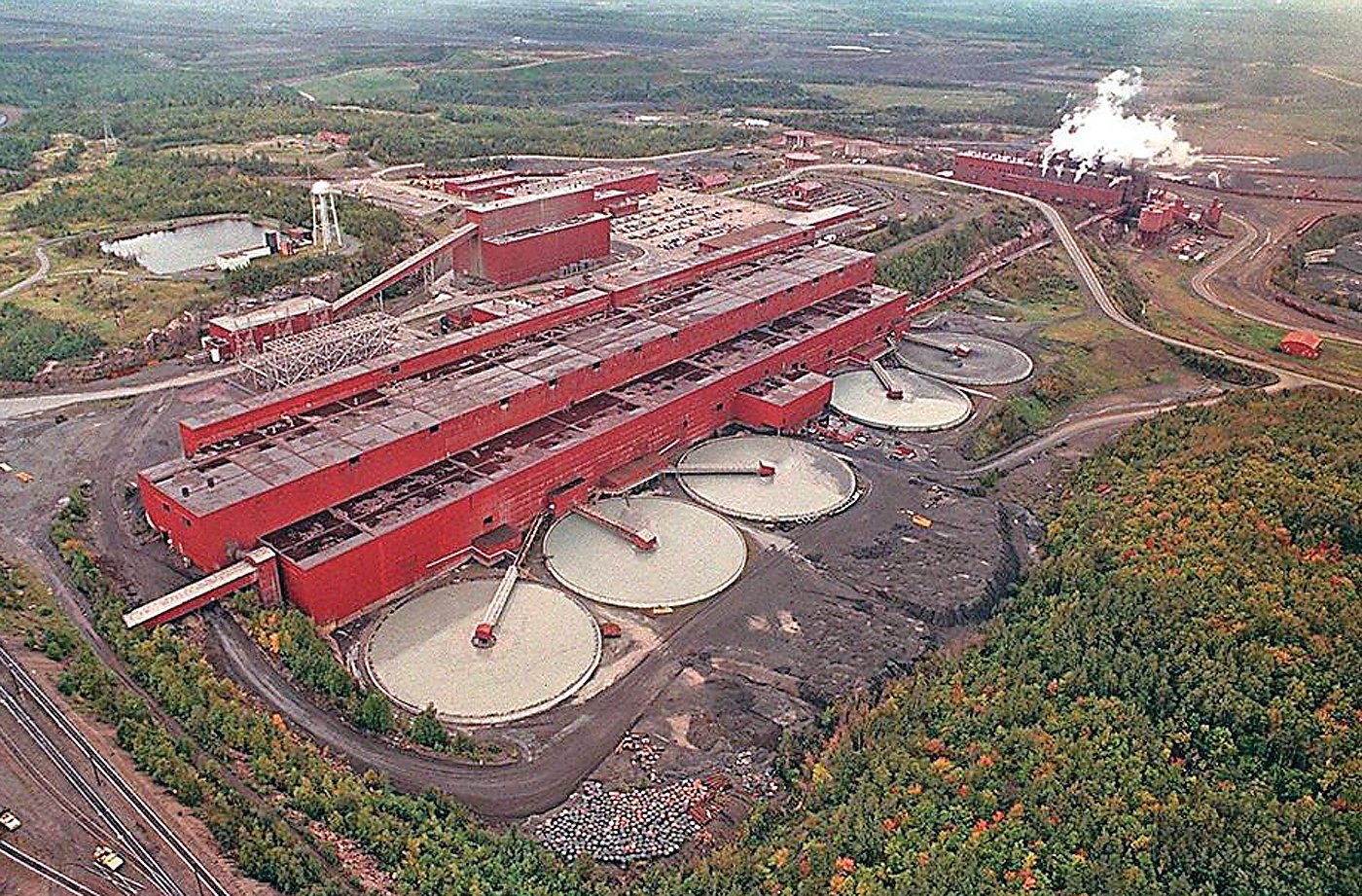
REGIONAL— NewRange Copper Nickel must complete a Supplemental Environmental Impact Statement, or SEIS, before it can begin the permitting process for its proposed NorthMet mine near Hoyt Lakes. The decision, announced by the Department of Natural Resources Oct. 8, is not a surprise given the scale of proposed changes to the project over the past several years, and it was welcomed by NewRange officials. "“NewRange appreciates the Minnesota Department of Natural Resources’ determination as an important step in the permitting process, and we look forward to the next phase," said company spokesperson Sam McCullough. "We remain committed to delivering a world-class mine that meets all applicable standards and look forward to helping meet our nation’s demand for copper and providing a new generation of mining jobs here in Minnesota.”
PolyMet Mining had originally proposed to mine the deposit of copper, nickel and platinum group metals more than 20 years ago but spent more than a decade in the environmental review process. The proposed mine was fully permitted in 2018, before a series of legal challenges resulted in the suspension of some of the key permits, putting the project in limbo.
Glencore, the international commodities brokerage, has since fully acquired PolyMet Mining. Since then, Glencore has joined forces with Teck Resources Limited to form the NewRange joint venture, which is now pursuing the project. The new plan, submitted to the DNR on July 29, proposes changes to the layout of the mining area and processing areas, including stockpiles, buildings, and water management infrastructure, which would remain within the project areas previously evaluated. NewRange also proposes to remove the hydrometallurgical plant that had been part of the previous design. Ore production would increase from approximately 32,000 to 40,000 tons per day, while the mine’s lifespan would decrease from 20 years to 16 years.
Instead of using rail, NewRange proposes transporting material from the mine site to the on-site processing plant using a covered conveyor system approximately 8 miles in length. Finally, the company also proposes a new approach for managing tailings; rather than using the site’s existing tailings basin for tailings disposal, the new design proposes in-pit tailings disposal on adjacent lands previously mined for iron ore.
NewRange’s proposed changes might require new or amended permits and other approvals from state, federal and local agencies before it could proceed with project construction and operation. With the decision to conduct an SEIS, state and local agencies cannot make final decisions about any required permits until the SEIS is deemed adequate.
Ownership and control of the mine would also change under the joint venture. Since the original permitting now nearly a decade ago, Glencore, the international commodities brokerage firm, has taken a full ownership stake in PolyMet. That provides Glencore with a 50 percent stake in the NorthMet joint venture, as well as a 50 percent stake in the nearby Mesaba deposit, which was controlled by Teck but is now also part of the joint venture.
New review required
According to a DNR statement, state law requires the DNR, as the responsible governmental unit, or RGU, to prepare an SEIS when proposed changes to the project are substantial and affect the potential for significant environmental impacts of the project or if there is new information that could significantly affect those potential impacts.
While the U.S. Forest Service and the DNR conducted a joint environmental review during the original PolyMet process, in this instance the DNR will conduct a state‑only review. The DNR will coordinate with federal partners, as is typical, where doing so can make the SEIS process more efficient.
The state’s SEIS will build on the final EIS approved in 2016 for the PolyMet proposal, rather than begin an entirely new process. It will do so by evaluating the proposed project changes and any new information or circumstances that have arisen over the past decade. Completing an SEIS does not result in a project approval or denial. Instead, the document is used to help guide regulators during the subsequent permitting process.
While the DNR offered no timeline in its announcement, a previous SEIS completed for PolyMet’s original NorthMet mine proposal took more than four years to complete. The agency is expected to offer a timeline in the near future when it publishes a “Preparation Notice,” which is part of the scoping process for the environmental review. That notice will also summarize the proposed changes in the project and include new information. There will be an opportunity for public comment on the scope of the review once the notice is published.
The DNR’s next step is to develop a Preparation Notice, which defines the scope of the SEIS. The Preparation Notice will summarize the proposed project changes, present relevant new information, outline the scope of the SEIS and contain an anticipated timeline for completion of the SEIS. Once the Preparation Notice has been published, the DNR will provide an opportunity for public comment prior to any final decisions on the scope of the SEIS.
The proposed project changes may require new or amended permits and other approvals from state, federal and local agencies before project construction and operation could proceed. State and local agencies cannot make final decisions about any required permits until the SEIS is deemed adequate.
As part of the process, the DNR has updated its NorthMet project web page at https://www.dnr.state.mn.us/lands_minerals/new-range/northmet-project.html. The website offers basic information, history and background of the project as well as an overview of the environmental review and permitting processes. As the DNR moves through its processes, the website will also provide status updates, fact sheets, and proposer-developed data and studies.
Influences on the decision
According to the DNR, the agency relied on guidance from state statutes and rules and evaluated the proposed project against the state’s environmental review standards. It also considered input from the Grand Portage and Fond du Lac bands of Lake Superior Chippewa and environmental organizations.
submitted to the DNR on July 29, require preparation of a Supplemental Environmental Impact Statement (SEIS). In reaching this decision, the DNR applied all relevant state statutes and rules and evaluated the proposed project against Minnesota’s environmental review framework. The DNR also considered input received from the Grand Portage Band of Lake Superior Chippewa, the Fond du Lac Band of Lake Superior Chippewa and from some environmental organizations.
The NorthMet Project is a planned mine and associated processing facility to extract copper, nickel, cobalt and platinum group metals, located about 6 miles north of Hoyt Lakes in St. Louis County. From 2004 to 2016, the project went through an extensive environmental review process. The Final EIS was published in 2015 and determined adequate by the DNR in March 2016, marking the end of the state's environmental review process at that time. On July 29, 2026, NewRange notified the DNR of proposed changes to the previously reviewed NorthMet Project design.
Under state law, the DNR, as the responsible governmental unit (RGU), is required to prepare an SEIS when proposed changes to the project are substantial and affect the potential for significant environmental impacts of the project or if there is new information that could significantly affect those potential impacts.
The DNR will conduct a state‑only environmental review. The DNR will coordinate with federal partners, as we typically do, to identify additional opportunities to enhance the SEIS process.
The state’s SEIS will build on the 2016 Final EIS by evaluating the proposed project changes and any new information or circumstances; it will not replace or reopen the Final EIS. Instead, the SEIS will provide information that regulatory agencies would use in future permitting decisions related to the proposed changes or new information. Completing an SEIS is not a project approval or denial, and the environmental review process remains separate from permitting decisions.
The DNR’s next step is to develop a Preparation Notice, which defines the scope of the SEIS. The Preparation Notice will summarize the proposed project changes, present relevant new information, outline the scope of the SEIS and contain an anticipated timeline for completion of the SEIS. Once the Preparation Notice has been published, the DNR will provide an opportunity for public comment prior to any final decisions on the scope of the SEIS.
The proposed project changes may require new or amended permits and other approvals from state, federal and local agencies before project construction and operation could proceed. State and local agencies cannot make final decisions about any required permits until the SEIS is deemed adequate.
The DNR is committed to a transparent, rigorous, neutral and science-based review process and will keep Minnesotans informed as its evaluation moves forward. To support transparency and facilitate access to information, the DNR has updated its NorthMet Project webpage. The website offers basic information, history and background of the project as well as an overview of the environmental review and permitting processes. As the DNR moves through its processes, the website will also provide status updates, fact sheets, and proposer-developed data and studies.


