
A FRUITFUL YEAR?
With enough rain, this spring’s profusion of flowers could yield a bumper fruit crop
If you’ve made a mental note that the flowers on the wild fruit trees and shrubs seem to be remarkably profuse this year, you’re not alone. In my 42 years here, it’s the most spectacular flush …
This item is available in full to subscribers.
Attention subscribers
To continue reading, you will need to either log in to your subscriber account, below, or purchase a new subscription.
Please log in to continue |
A FRUITFUL YEAR?
With enough rain, this spring’s profusion of flowers could yield a bumper fruit crop

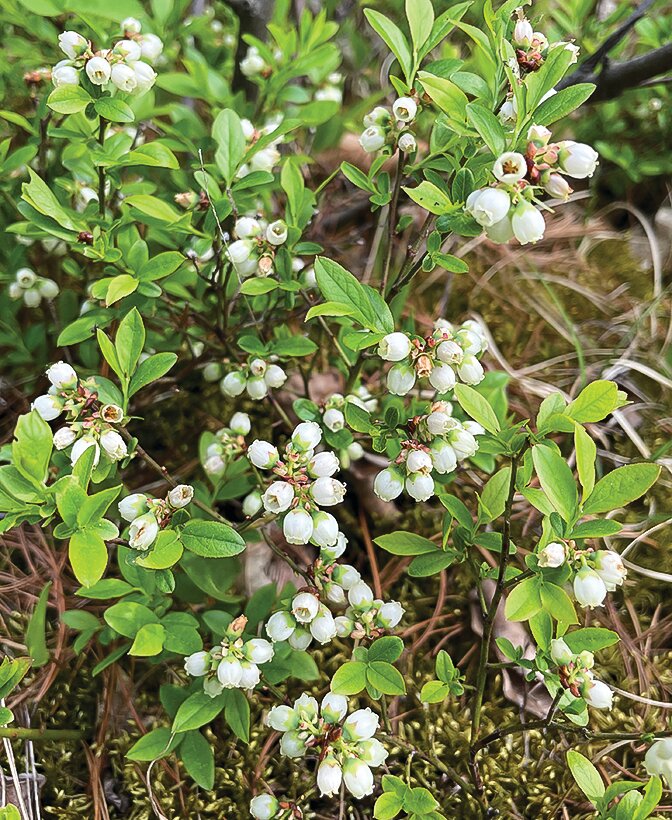


If you’ve made a mental note that the flowers on the wild fruit trees and shrubs seem to be remarkably profuse this year, you’re not alone. In my 42 years here, it’s the most spectacular flush of flowers from fruiting plants that I can recall, and it could herald a bumper crop of berries later this summer. I say “could” because it all depends on adequate rain at a time when we seem to have lapsed, once again, into a hotter and drier pattern than is usual for June.
What is most interesting about this year’s phenomenon is that it seems to have affected the flowering of virtually every fruiting plant this year, from apples to blueberries, from chokecherries to plums.
The primary driver of this is a well-documented pattern called alternate or biennial bearing. The tendency of fruit trees to bear fruit in two-year cycles — a large crop followed by a small one — is common to almost all tree fruits. It’s because flowers that produce next year’s berries are initiated during the development of the current season’s crop. When a fruit tree is producing a large fruit crop, most of the tree’s energy is utilized for fruit development, leaving little energy to initiate flower production for the following year.
Last year was a pretty light one for most wild fruits, although dry weather seemed to be the main driver of that trend. Because the trees and shrubs in an area tend to experience similar weather, they often respond similarly to those conditions. So, when conditions favor a profusion of flowering, the trees and shrubs of many differing species get the signal and we can have a spring like we’ve just experienced.
Intense flowering can also be a sign of stress in plants, as they respond by a last push of reproductive potential before the inevitable. That’s probably not the driver of this year’s flower profusion, since even though we have been running drier than usual over the past year, the dryness has not been severe enough to stress most trees and larger shrubs.
The best advice is to keep watch on your favorite berry picking areas, because this could be a year to remember. Given the extended forecast, it looks like we’re going to escape a hard June freeze this year, which should bode well for the lowland blueberries and wild strawberries. Just keep your fingers crossed for rain, which is key to plump and plentiful berry crops here in the North Country.


