Court ruling preserves Voyageurs interpretive displays
Ojibwe, lumberjack displays remain protected for now
REGIONAL — A federal judge’s order halting the Trump administration’s effort to alter National Park Service interpretive materials has effectively preserved two Voyageurs National Park displays …
This item is available in full to subscribers.
Attention subscribers
To continue reading, you will need to either log in to your subscriber account, below, or purchase a new subscription.
Please log in to continue |
Court ruling preserves Voyageurs interpretive displays
Ojibwe, lumberjack displays remain protected for now
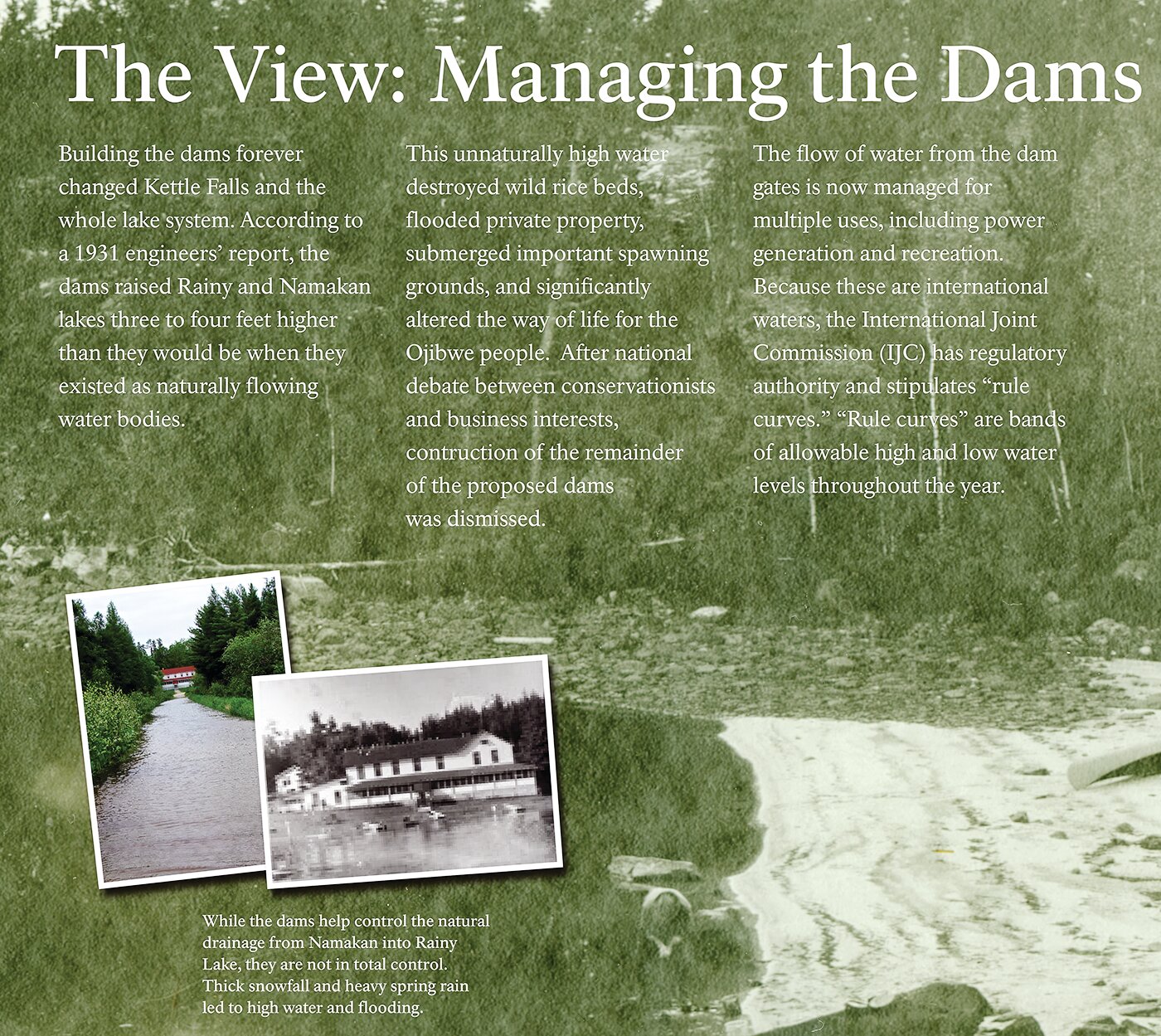
REGIONAL — A federal judge’s order halting the Trump administration’s effort to alter National Park Service interpretive materials has effectively preserved two Voyageurs National Park displays targeted for revision earlier this year, including one describing the destruction of Ojibwe wild rice beds after dam construction in the border lakes region.
The preliminary injunction, issued Friday by U.S. District Judge Angel Kelley in Massachusetts, requires the administration to stop making additional changes and restore materials that have already been altered or removed under an executive order directing federal agencies to review historical and interpretive content at national parks and other federal sites.
The ruling stems from a lawsuit filed by a coalition of conservation, scientific, and historical organizations challenging the administration’s implementation of President Donald Trump’s executive order titled “Restoring Truth and Sanity to American History.”
While the ruling will not require any changes at Voyageurs because no signs had been altered or removed, it blocks federal officials from altering two park displays that had been targeted for revision earlier this year.
“I can confirm that Voyageurs National Park has not removed or made changes to any interpretive signs in connection with (Department of the Interior) Secretary’s Order 3431,” Voyageurs Interpretation, Education, and Partnerships Program Manager Katherine Severson said in an email Monday.
The Timberjay reported in March that two Voyageurs signs had been identified as part of a nationwide examination of exhibits, displays, signs, and other interpretive materials throughout the National Park System.
The most significant of the two signs addresses the impact of dam construction on Ojibwe communities in the border lakes region. The display explains how altered water levels flooded historic shorelines and destroyed wild rice beds central to Ojibwe culture, subsistence, and treaty rights.
A second sign, titled “A Mile in Their Shoes: Lumberjacks,” was targeted over language noting that townspeople sometimes referred to loggers as “timber beasts,” which federal reviewers described as potentially disparaging to lumberjacks.
In her ruling, Kelley wrote that the administration’s actions amounted to an effort “to rewrite the Nation’s history with a white-out pen.”
“History cannot be faithfully told while excluding the experiences of communities whose contributions, struggles, and achievements form an important part of our Nation’s story,” Kelley wrote.
The lawsuit was filed by a coalition that includes the National Parks Conservation Association, the Association of National Park Rangers, and the Union of Concerned Scientists.
The organizations argued that the administration’s review process had led to the removal or alteration of historically accurate information at parks across the country, including exhibits related to slavery, Indigenous history, labor history, climate change, and civil rights.
According to court filings and news reports cited in the lawsuit, changes had already occurred at several sites before the injunction was issued. Among them were exhibits describing enslaved people who lived at Philadelphia’s Independence National Historical Park and interpretive materials at other parks addressing topics ranging from climate change to labor history.
Alan Spears, senior director of cultural resources for the National Parks Conservation Association, called the ruling an important step in protecting the integrity of the National Park System.
“National parks belong to the American people and censorship of any kind goes against the values these places represent,” Spears said.
The preliminary injunction remains in effect while the case proceeds.


